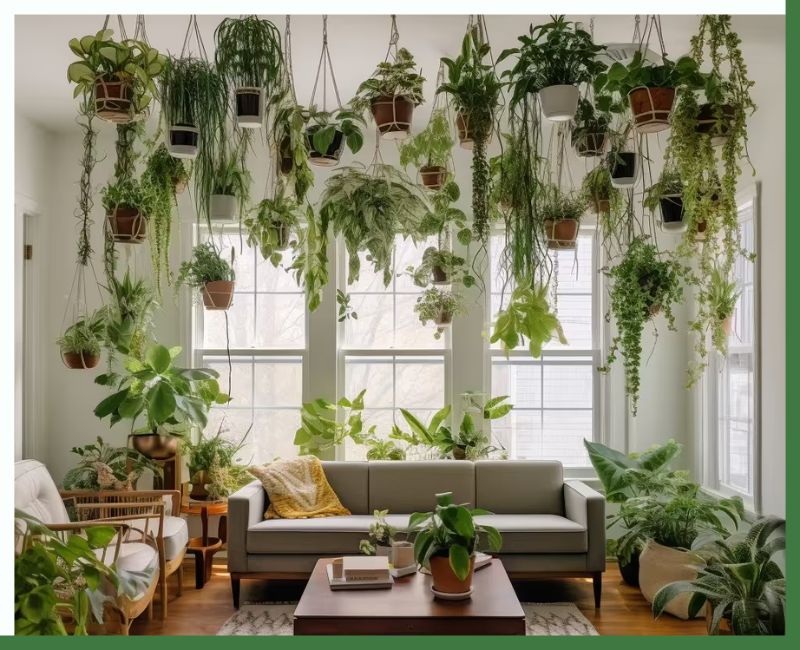
Looking to add some greenery to your home without sacrificing precious floor space? Hanging plants might be exactly what you need. I’ve been decorating with hanging plants for years, and I can tell you—there’s something magical about walking into a room filled with cascading vines and lush foliage suspended above eye level.
Whether you’re working with a tiny apartment or a spacious home, hanging plants offer an ingenious way to bring nature indoors while creating visual interest and improving your living environment. Let me share my favorite ideas and tips that won’t break the bank.
Why Hanging Plants Are Worth Your Time
Before we dive into the specific ideas, let’s talk about why hanging plants have become such a design staple. They’re not just trendy—they’re practical. When you’re short on counter space or dealing with curious pets who love to nibble on leaves, elevating your plants solves multiple problems at once.
Read more – 10 Most Beautiful Looking Balcony Plants That Are Easy to Take Care
Plus, many hanging varieties are natural air purifiers. Studies have shown that plants like pothos and spider plants can help filter indoor air pollutants, creating a healthier home environment. And honestly, there’s something therapeutic about caring for plants, especially when they’re thriving right where you can see them every day.
Choosing the Right Plants for Your Hanging Display
Not all plants are created equal when it comes to hanging displays. You’ll want varieties that naturally trail or cascade, and ideally ones that don’t require constant fussing. Here are my go-to recommendations:
Pothos is my number one pick for beginners. This hardy tropical vine forgives occasional neglect and thrives in various lighting conditions. Its heart-shaped leaves and trailing growth make it perfect for any hanging arrangement. I’ve kept pothos alive in everything from bright bathrooms to dimly lit corners.
Spider plants are another foolproof choice. They produce those distinctive arching leaves and adorable plantlets that dangle like little spiders (hence the name). They’re also pet-safe, which matters if you have curious cats or dogs.
For something more unique, try string of pearls. This succulent has tiny, bead-like leaves that create an elegant waterfall effect. It does need bright light and less frequent watering than other options, but the visual impact is worth it.
Boston ferns bring that lush, cottage garden feel indoors. Their delicate fronds create beautiful texture, though they do prefer humidity. I keep mine in the bathroom where it gets plenty of moisture from showers.
English ivy grows quickly and creates impressive coverage. It’s versatile enough to work in various light conditions, and you can train the vines to grow in specific directions as they lengthen.
10 Creative Hanging Plant Display Ideas
1. Macrame Plant Hangers
There’s a reason macrame plant hangers had a moment in the ’70s and are back again—they work. These knotted rope holders add instant bohemian charm and can be hung just about anywhere. You can find affordable options online or try making your own with some basic cord and a tutorial. They work beautifully with medium-sized pots and pair especially well with pothos or spider plants.
2. Hanging Plant Shelves
Think of these as floating gardens. By installing suspended shelves at different heights, you create a living installation that draws the eye upward. This approach works particularly well in small spaces because it uses vertical real estate you’re probably not utilizing anyway. Mix different plant types on each shelf for varied textures and colors.
3. Mason Jar Wall Garden
This one’s as budget-friendly as it gets. Grab some mason jars, attach them to a piece of reclaimed wood using metal clamps or simple hardware, and mount the whole thing on your wall. It’s perfect for herbs in the kitchen or small trailing plants like ivy. The rustic aesthetic works with farmhouse, industrial, or eclectic decor styles.
Read more – 10 Hanging Plants That Attract Positive Energy to Your Home
4. Chandelier Planter
Got an old chandelier gathering dust? Transform it into a stunning plant display. Remove the electrical components and nestle small pots where the light bulbs used to sit. Hang it over a dining table or in an entryway for a dramatic conversation piece. This works especially well with small trailing plants or succulents that won’t get too heavy.
5. Horizontal Ladder Garden
An old wooden ladder hung horizontally creates multiple planting stations in one piece. Attach small pots or planters to the rungs, and you’ve got a farmhouse-chic display that holds several plants. I’ve seen this done beautifully on covered porches and in sunrooms. The weathered wood adds character you can’t buy new.
6. Wall-Mounted Rod System
Sometimes the simplest solutions are the best. Install a sturdy rod or repurpose a curtain rod on your wall, then hang planters using S-hooks. What I love about this setup is the flexibility—you can easily swap plants in and out depending on the season or how things are growing. It’s also incredibly easy to set up, even if you’re not particularly handy.
7. Fabric Pocket Vertical Garden
These hanging pocket organizers aren’t just for shoes anymore. Wall-mounted fabric pockets create a living wall effect that’s perfect for small plants, herbs, or succulents. They’re especially useful on balconies or patios where you want maximum greenery in minimal space. Make sure to choose pockets with proper drainage or add holes yourself.
8. Vintage Birdcage Display
Here’s where thrift store hunting pays off. A vintage birdcage makes a charming planter when you nestle a pot inside and let trailing vines weave through the bars. It adds a touch of whimsy to porches or sunrooms. Look for birdcages at estate sales or antique shops—they’re often more affordable than you’d think.
9. Glass Globe Terrariums
For a modern, minimalist look, hanging glass terrariums are unbeatable. These geometric orbs or teardrop-shaped vessels look stunning when hung in groups at varying heights. Fill them with air plants, small succulents, or moss. They require minimal maintenance and create an almost sculptural display.
10. Classic Outdoor Hanging Baskets
Don’t overlook the traditional hanging basket, especially for outdoor spaces. Wire or wicker baskets lined with coir fiber and filled with colorful blooms like petunias, fuchsias, or trailing verbena create instant curb appeal. Hang them from porch hooks, shepherd’s crooks in the garden, or balcony railings for bursts of seasonal color.
Essential Care Tips for Thriving Hanging Plants
Taking care of hanging plants isn’t complicated, but there are a few things to keep in mind that differ from regular potted plants.
Lighting needs vary by plant, so match your plant choice to your available light. That said, most hanging plants do well in bright, indirect light. If you’re hanging plants near windows, make sure they’re not getting scorched by direct afternoon sun.
Read more – How to Display Hanging Plants: Creative Ideas for Any Space
Watering requires a bit more attention with hanging plants because they tend to dry out faster than floor plants. Air circulation around the pot means moisture evaporates more quickly. I check mine by sticking my finger about an inch into the soil—if it feels dry, it’s time to water. Just make sure you have a plan for drainage. Nobody wants water dripping on their furniture or floors.
Humidity matters for certain plants, especially ferns and tropical varieties. If you notice brown leaf tips, your air might be too dry. Regular misting helps, or group plants together to create a more humid microclimate.
Pruning keeps things looking good and encourages fuller growth. Don’t be afraid to trim back leggy vines or remove yellowing leaves. Most trailing plants respond to pruning by producing more side shoots, making them bushier and more attractive.
Feeding your plants during the growing season helps them thrive. A balanced liquid fertilizer every few weeks from spring through summer usually does the trick. I like to dilute mine to half-strength to avoid burning the roots.
The Real Benefits of Hanging Plant Displays
Beyond the obvious aesthetic appeal, hanging plants offer some genuine practical benefits that have made them permanent fixtures in my home.
Space efficiency is the big one. In apartments or small homes, every square foot of floor space counts. By going vertical with your greenery, you get all the benefits of houseplants without the footprint.
Air quality improvements are real, though sometimes overstated. Plants do filter certain toxins from indoor air, and they release oxygen. While you’d need quite a few plants to significantly impact air quality, every little bit helps.
Mental health benefits from plant care are well-documented. There’s something inherently calming about tending to living things. The routine of watering, pruning, and watching new growth emerge provides a mindful break from screen time and stress.
Design versatility means hanging plants work with any decor style. Minimalist? Go with simple hanging terrariums. Bohemian? Try macrame. Farmhouse? That ladder garden is calling your name. The plants adapt to your aesthetic.
Outdoor space enhancement shouldn’t be overlooked. Hanging baskets can provide privacy screening, add color to bland areas, and even attract beneficial pollinators to your garden. They’re also great for growing herbs or strawberries in small outdoor spaces.
Budget Conscious Strategies for Beautiful Displays
You don’t need to spend a fortune to create stunning hanging plant displays. Here are strategies I’ve used to keep costs down:
Make your own planters from things you already have. That old colander with drainage holes? Perfect planter. Tin cans with holes punched in the bottom? Spray paint them and you’ve got industrial-chic containers. The thrift store basket with a plastic liner? Ideal hanging planter.
Repurpose creatively. Before buying anything new, look around your home with fresh eyes. Can that vintage find become a planter? Could you use that piece of driftwood you picked up at the beach as a base for mason jar planters? Usually, yes.
Join plant swap communities. Local plant enthusiasts often organize swaps where everyone brings cuttings or plants they’ve propagated. You walk away with new plants without spending a dime. Check social media for groups in your area.
Propagate what you have. This is the ultimate budget hack. Many popular hanging plants like pothos, spider plants, and string of pearls are incredibly easy to propagate from cuttings. One plant becomes five, then twenty. You’ll have more than enough for multiple displays and plenty to share.
Scout thrift stores and yard sales for containers, hangers, and decorative items. I’ve found gorgeous ceramic pots, vintage baskets, and unique hangers for a fraction of retail prices. Estate sales are particularly good for finding quantity when you need several matching planters.
Ready to Start Your Hanging Garden?
Creating a beautiful hanging plant display is one of the most rewarding home projects you can tackle. Start small with one or two easy plants like pothos or spider plants, experiment with different hanging methods, and gradually expand your collection as you gain confidence.
The beauty of hanging plants is that they grow with you—literally. As you learn what works in your space and develop your care routine, you’ll find yourself getting more creative with displays and more adventurous with plant choices. Before you know it, you’ll have transformed your home into a lush, green sanctuary that reflects your personal style while providing all those wonderful benefits we’ve discussed.
So grab a plant, find a spot to hang it, and watch your space come to life. Your vertical garden adventure starts now.
Helpful Resources and References
For more information on plant care and indoor gardening:
- The Sill – Hanging Plant Care Guide
- Royal Horticultural Society – Houseplant Care
- NASA Clean Air Study – Air Purifying Plants
- University of Minnesota Extension – Indoor Plant Care
- Missouri Botanical Garden – Plant Finder