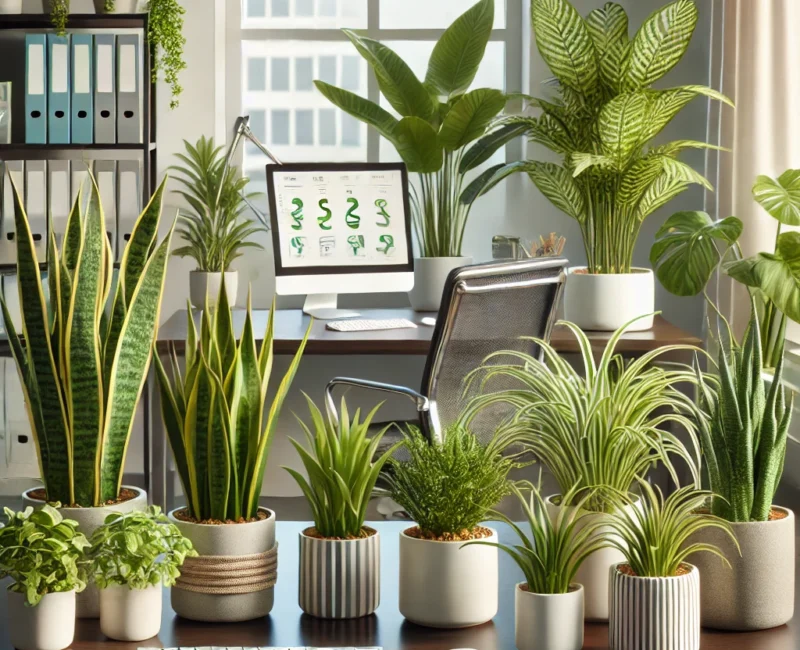
Let’s face it—most of us spend a significant chunk of our day sitting at our office desks, staring at computer screens, and breathing in recycled air. While we can’t always control the overall air quality in our buildings, there’s something surprisingly simple we can do to make our immediate workspace healthier: bring in some green companions.
I’ve always been fascinated by how something as simple as a plant can transform not just the look of a space, but the actual air we breathe. Over the years, I’ve experimented with various plants on my own desk, and the difference is noticeable—not just aesthetically, but in how I feel throughout the workday. There’s something about having a living thing nearby that makes the office feel less sterile and more, well, alive.
Why Your Office Desk Needs Air-Purifying Plants
Before we dive into specific plants, let’s talk about why this matters. Modern office buildings are often sealed tight for energy efficiency, which means the air inside circulates and recirculates. That air can contain volatile organic compounds (VOCs) from office furniture, carpets, printers, and cleaning products. We’re talking about chemicals like formaldehyde, benzene, xylene, and trichloroethylene—not exactly things you want to breathe all day.
Read more – Top 5 Air Purifying Balcony Plants for a Healthier Home
NASA actually conducted a famous Clean Air Study back in the 1980s, and what they discovered was pretty remarkable: certain houseplants don’t just sit there looking pretty; they actively filter out these harmful toxins through their leaves and root systems.
The plants absorb these pollutants and convert them into harmless byproducts, essentially acting as natural air filters.Beyond purifying the air, plants offer other benefits too. Studies have shown that having plants in your workspace can reduce stress, boost creativity, increase productivity, and even improve your mood. There’s something inherently calming about greenery—perhaps it’s our evolutionary connection to nature, or maybe it’s just nice to care for something living during a hectic workday.
The Top 10 Air-Purifying Plants Perfect for Your Office Desk
1. Areca Palm: The Tropical Air Cleaner

If you want to feel like you’re working from a beachside resort, the Areca Palm is your plant. With its graceful, feathery fronds that arch outward, this palm brings an instant tropical vibe to any desk. But it’s not just about looks—the Areca Palm is a powerhouse when it comes to filtering out formaldehyde, xylene, and toluene from the air.
What I love about the Areca Palm is that it’s surprisingly forgiving for busy professionals. It doesn’t demand constant attention, just some indirect light and water when the top layer of soil feels dry. Keep the soil slightly moist but not waterlogged, and this plant will reward you with its elegant presence for years to come.
Read more – Top 12 Plants That Clean Indoor Air Better Than Machines
The Areca Palm also acts as a natural humidifier, releasing moisture into the air through transpiration. This is particularly helpful in offices with dry air from heating or air conditioning systems.
2. Spider Plant: The Indestructible Workhorse
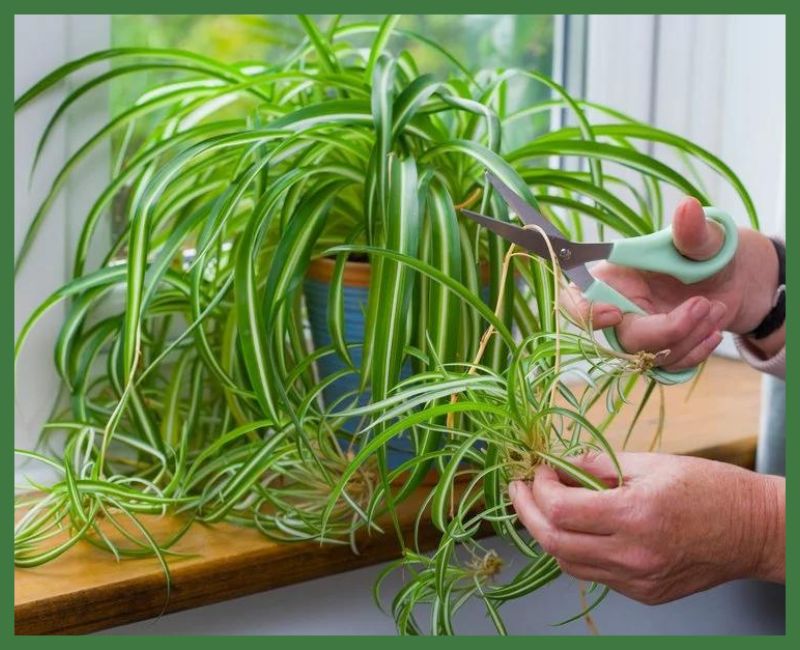
If there’s one plant that seems almost impossible to kill, it’s the Spider Plant. This hardy survivor can tolerate all sorts of neglect and still bounce back, making it perfect for those of us who occasionally forget about our green friends during busy work weeks.
Read more – Top Oxygen Producing Indoor Plants for Fresh Air
The Spider Plant earns its place on this list by effectively absorbing carbon monoxide and formaldehyde—two common indoor air pollutants. Its distinctive green and white striped leaves cascade downward, creating an attractive display that works beautifully on a desk or shelf. As it matures, it produces small white flowers and baby “spiderettes” that dangle down, which you can propagate to create new plants.
Water it occasionally when you remember, give it bright indirect light, and trim any brown tips that develop. That’s honestly all it takes. The Spider Plant is forgiving, resilient, and genuinely helpful for your air quality.
3. English Ivy: The Mold Fighter

English Ivy might remind you of old university buildings covered in climbing vines, but this classic plant is also an excellent choice for indoor air purification. What sets English Ivy apart is its particular effectiveness at reducing airborne mold particles—a common issue in offices with poor ventilation or humidity problems.
This trailing plant looks fantastic in a small pot on your desk or in a hanging planter near your workspace. Its dense, lobed leaves create a lush appearance that adds character to any office environment. English Ivy is also known for filtering out benzene and formaldehyde, making it a multi-talented air cleaner.
Care is straightforward: water regularly but let the soil dry slightly between waterings, provide indirect sunlight, and give it an occasional trim to maintain its shape and encourage bushier growth. Just be aware that English Ivy is toxic if ingested, so keep it away from pets or curious nibbling.
4. Peace Lily: The Elegant Pollutant Fighter
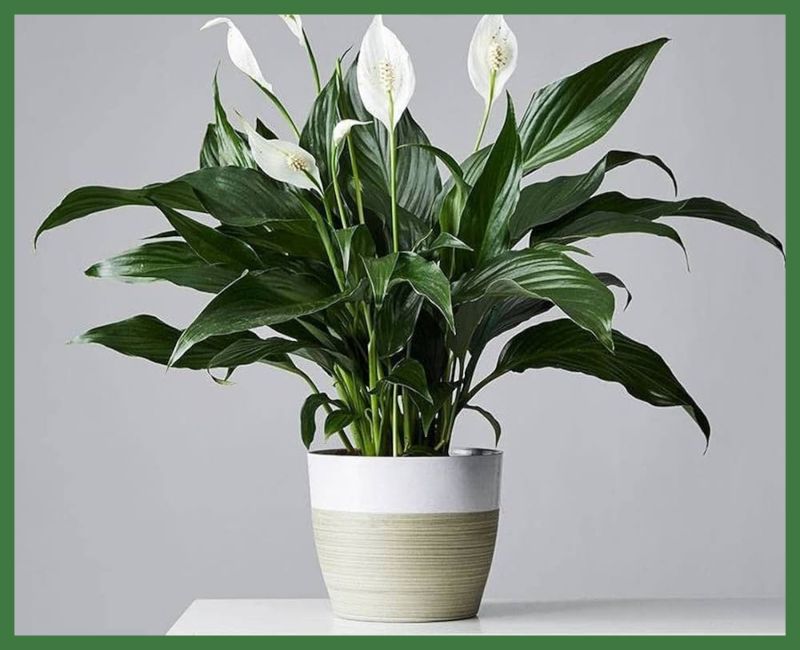
The Peace Lily is arguably one of the most beautiful air-purifying plants you can keep on your desk. When those striking white flowers bloom against the backdrop of glossy dark green leaves, it’s hard not to stop and appreciate them during a long workday.
But the Peace Lily isn’t just a pretty face. It’s remarkably effective at absorbing ammonia, formaldehyde, benzene, and other common office pollutants. Even better, it thrives in low-light conditions, making it ideal for offices without much natural sunlight—those interior cubicles or windowless spaces where most plants would struggle.
The Peace Lily has a helpful feature: it droops noticeably when it needs water, giving you a clear visual cue before any damage occurs. Keep the soil moist but not soggy, place it in low to medium light, and occasionally mist the leaves to increase humidity. Within hours of watering, you’ll see it perk right back up.
One note: Peace Lilies are toxic to pets and humans if ingested, so handle with care and keep out of reach.
5. Dracaena: The Modern Minimalist’s Choice
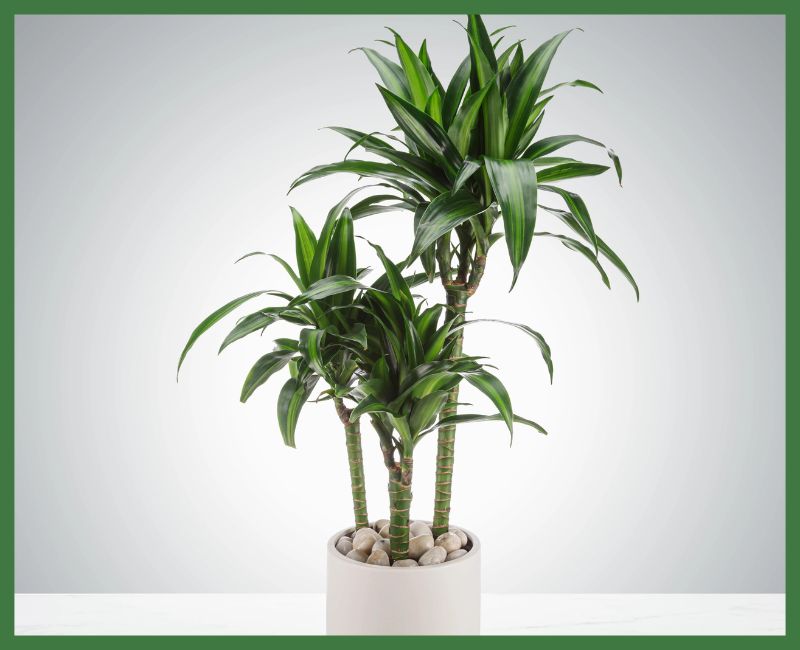
For those who prefer clean lines and contemporary aesthetics, the Dracaena is a perfect match. With its slender, upright leaves often featuring colorful stripes (depending on the variety), this plant adds a sleek, modern touch to any office desk.
Dracaenas are exceptional at removing benzene, formaldehyde, trichloroethylene, and xylene from the air. There are several varieties to choose from, including Dracaena marginata (with thin, red-edged leaves) and Dracaena fragrans (with wider, corn-like foliage).
These plants are relatively low-maintenance: water moderately, allowing the soil to dry between sessions, and provide low to medium light. The most common mistake is overwatering, which can lead to root rot, so err on the side of letting the soil dry out. Dracaenas are also slow-growing, which means they won’t quickly outgrow their space on your desk.
6. Boston Fern: The Humidity Lover
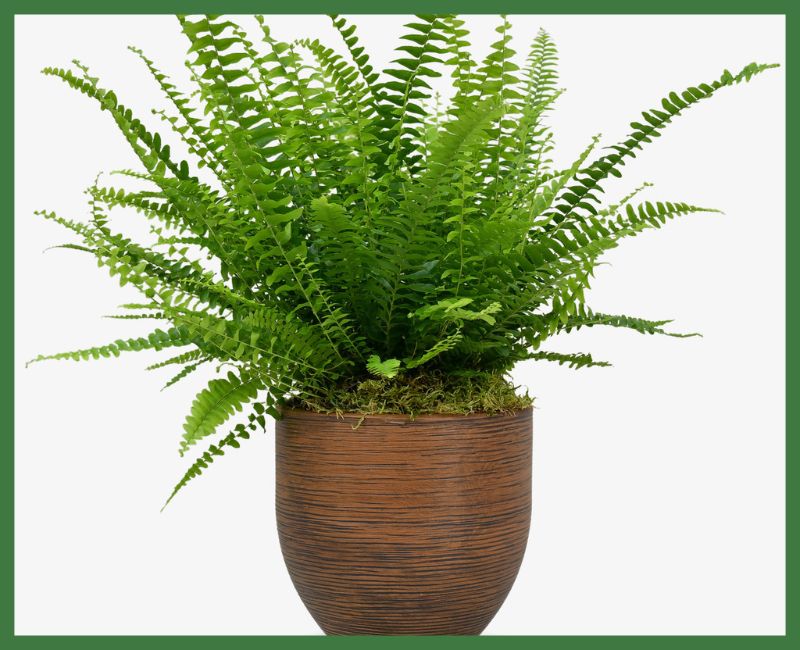
Boston Ferns bring a soft, feathery texture to your workspace with their delicate, arching fronds. They’re particularly effective at removing pollutants like xylene and formaldehyde while also acting as natural humidifiers—a double benefit in dry office environments.
These ferns do require a bit more attention than some other plants on this list. They prefer consistently moist soil and appreciate frequent misting to maintain humidity levels. Place your Boston Fern in a spot with bright, indirect light, and check the soil regularly to ensure it doesn’t dry out completely.
If you have the space and don’t mind a slightly higher-maintenance plant, the Boston Fern rewards your care with lush, vibrant growth that looks absolutely stunning.
7. ZZ Plant: The Ultimate Low-Maintenance Choice
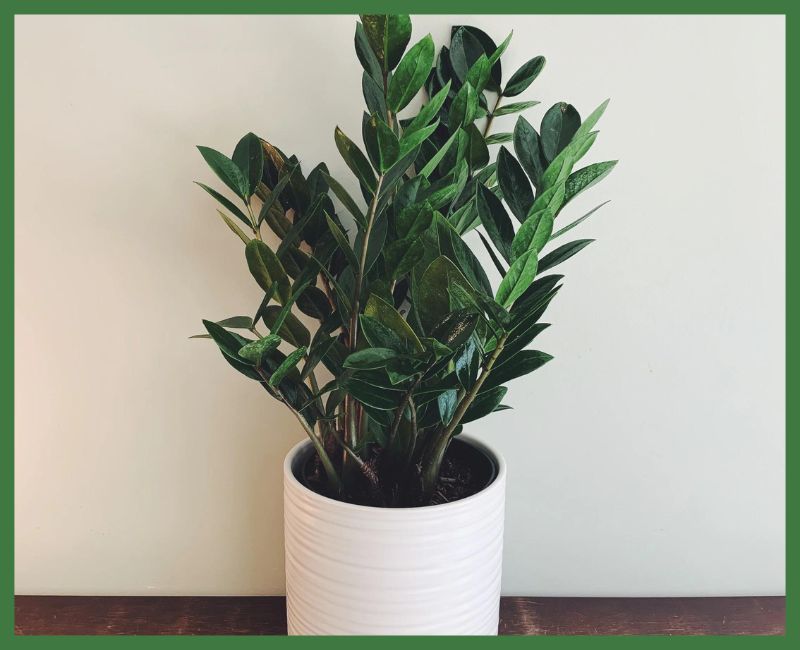
The ZZ Plant (Zamioculcas zamiifolia) has become increasingly popular in recent years, and for good reason. This plant is practically indestructible and thrives on neglect—perfect for busy professionals who travel frequently or work long hours.
With its thick, waxy leaves that grow upward in graceful stems, the ZZ Plant has a structural beauty that complements modern office spaces. It tolerates low light conditions exceptionally well and requires minimal watering. In fact, you should allow the soil to dry out completely between waterings to prevent root rot.
While the ZZ Plant may not be the most powerful air purifier on this list, it still helps remove toxins from the air while requiring almost no effort on your part. It’s the definition of a set-it-and-forget-it plant.
8. Rubber Plant: The Bold Statement Maker
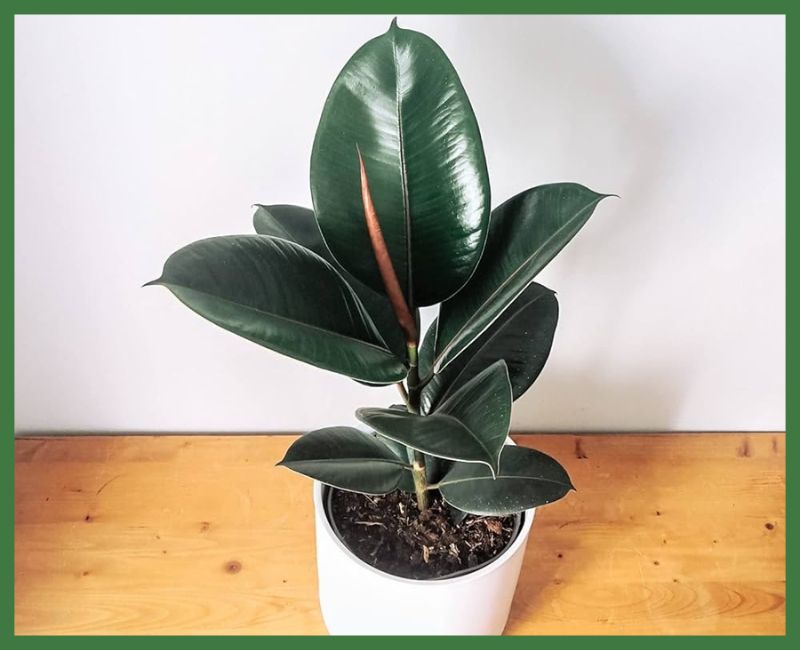
If you have a larger desk or want to make a statement, the Rubber Plant is an excellent choice. Its large, glossy leaves create an impressive visual impact while effectively filtering formaldehyde from the air.
The Rubber Plant comes in several varieties, from the classic deep green to the striking burgundy-colored “Burgundy” variety. These plants can grow quite large over time, but they remain perfectly manageable in pots and can be pruned to maintain your desired size.
Care is simple: water when the top inch of soil feels dry, provide indirect light (though it can tolerate some direct morning sun), and occasionally wipe the large leaves with a damp cloth to remove dust and help the plant photosynthesize more efficiently.
9. Bamboo Palm: The Shade-Tolerant Purifier

The Bamboo Palm brings a touch of the tropics to your office while excelling at removing benzene and formaldehyde from the air. This plant is particularly valuable for offices with limited natural light, as it thrives in low-light conditions.
With its delicate, bamboo-like stems and feathery fronds, the Bamboo Palm creates a soft, welcoming presence on your desk. It prefers soil that’s kept slightly moist and tolerates low light better than many other palms. During winter months, you can reduce watering frequency as the plant’s growth slows down.
The Bamboo Palm is also pet-friendly, making it a safer choice if you occasionally bring your furry friends to work or want a plant you can eventually take home without worry.
10. Pothos: The Adaptable Survivor
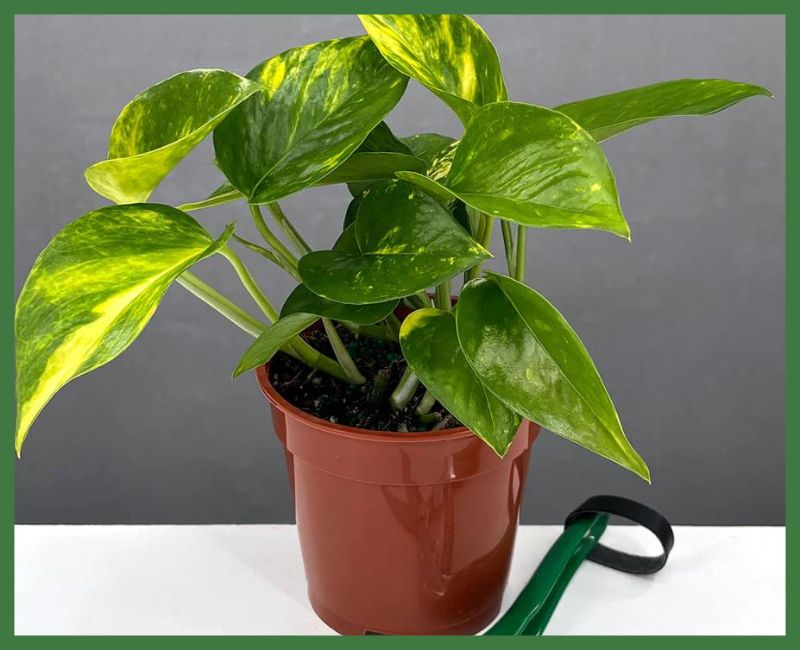
Last but certainly not least, the Pothos—also known as Devil’s Ivy—is one of the most popular houseplants for good reason. This trailing vine is incredibly adaptable, forgiving, and effective at purifying air. It filters out formaldehyde, benzene, and xylene while requiring minimal care.
Pothos grows quickly and can trail down from a desk or shelf, climb up a support, or be trimmed to maintain a compact shape. Its heart-shaped leaves come in various patterns, from solid green to variegated with yellow or white splashes.
This plant is nearly impossible to kill. It tolerates low light (though it prefers bright, indirect sunlight), needs water only when the soil is dry to the touch, and actually benefits from occasional pruning, which encourages bushier growth. You can even propagate cuttings in water to create new plants.
The only downside is that Pothos is toxic if ingested, so keep it away from pets and small children.
Caring for Your Office Plants Through the Seasons
Even though your office probably maintains a relatively stable temperature year-round, your plants still experience seasonal changes, particularly during winter months when heating systems run constantly and daylight hours decrease.
Temperature Considerations: Keep your plants away from cold drafts near windows or air conditioning vents. Most indoor plants prefer temperatures between 18-24°C (64-75°F). Sudden temperature fluctuations can stress plants, so find a stable spot on your desk away from heating or cooling sources.
Adjusting Your Watering Schedule: During winter, plant growth slows down significantly, which means they require less water. Overwatering is one of the most common ways people kill their office plants. As a general rule, only water when the top layer of soil feels dry to the touch. In summer, you may need to water more frequently as plants actively grow and transpire more moisture.
Maintaining Humidity Levels: Indoor heating during winter creates dry air that can stress plants, particularly tropical varieties like ferns and palms. Consider misting your plants occasionally or placing a shallow tray of water near them to increase ambient humidity. Some people even group plants together, as they create their own humid microclimate through transpiration.
Maximizing Light Exposure: Winter’s shorter days mean less natural light for your plants. If your office has windows, position plants to receive maximum indirect sunlight. For windowless offices or particularly dark spaces, consider adding a small LED grow light. Modern grow lights are inexpensive, energy-efficient, and can make a huge difference in your plants’ health.
Cleaning and Maintenance: Dust accumulates on leaves over time, blocking light and reducing the plant’s ability to photosynthesize and purify air. Every few weeks, gently wipe leaves with a damp cloth. This simple maintenance keeps your plants looking fresh and functioning optimally.
Tips for Choosing the Right Plant for Your Workspace
Not all office environments are created equal, so consider these factors when selecting your air-purifying plant:
Light Availability: Does your desk sit near a window with natural light, or are you in a fluorescent-lit interior space? Plants like ZZ Plant, Pothos, and Peace Lily tolerate low light, while Spider Plants and Boston Ferns prefer brighter conditions.
Your Schedule and Availability: Be honest about how much attention you can give a plant. Travel frequently or work long hours? Stick with low-maintenance options like ZZ Plant, Pothos, or Snake Plant. Have time for daily care? You can handle something more demanding like a Boston Fern.
Desk Space: A large Rubber Plant or Areca Palm needs room, while trailing Pothos or compact ZZ Plants work in tighter spaces.
Allergies and Sensitivities: Some people react to certain plants. If you have allergies, research specific plants before purchasing.
Pet Safety: If you sometimes bring pets to the office or plan to take your plant home, choose non-toxic varieties like Bamboo Palm or Spider Plant.
Making the Most of Your Office Plants
To maximize the air-purifying benefits, NASA recommends having at least one plant per 100 square feet of space. For a typical desk area, one medium-sized plant or 2-3 smaller plants should provide noticeable air quality improvements.
Consider the pot and placement carefully. Ensure pots have drainage holes to prevent waterlogging, use saucers to protect your desk, and position plants where they won’t get knocked over or damaged by office equipment.
Finally, take a moment each day to check on your plant. Water it when needed, remove any dead leaves, and simply appreciate its presence. This small ritual can become a mindful break in your workday, a moment to step back from screens and deadlines and connect with something living and growing.
Creating a healthier, more pleasant workspace doesn’t require a complete office renovation—sometimes it’s as simple as adding a plant or two to your desk. These green companions work quietly in the background, filtering toxins, producing oxygen, and bringing a touch of nature into our often sterile work environments. Choose a plant that fits your space, light conditions, and maintenance capacity, and you’ll soon wonder how you ever worked without one.
References and Further Reading
- University of Technology Sydney – Plants in the Office Research
- Journal of Physiological Anthropology – Benefits of Indoor Plants on Attention
- American Society for Horticultural Science – Indoor Plant Care Guidelines
- Environmental Protection Agency – Indoor Air Quality Resources