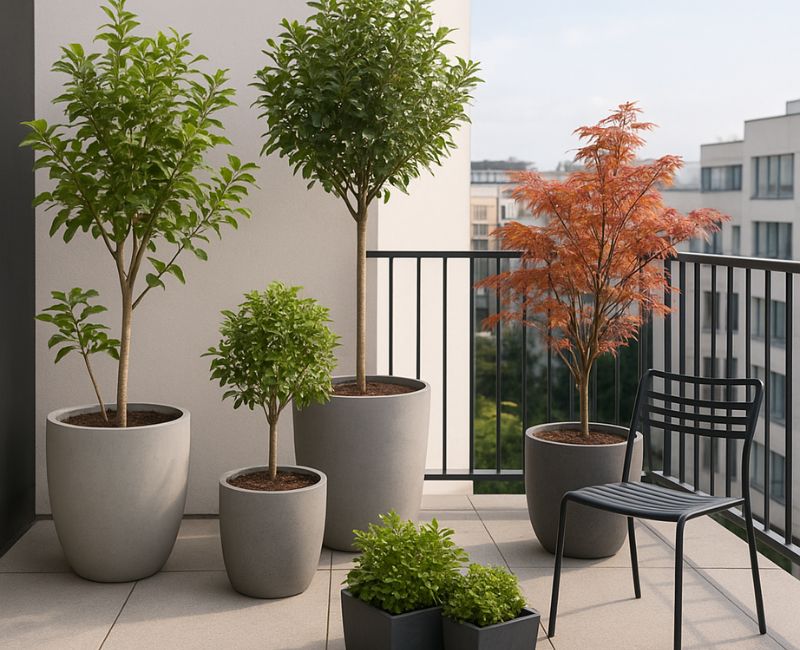
Living in an urban environment doesn’t mean you have to sacrifice the beauty and structure that woody plants bring to a garden. After decades of working with city gardeners and apartment dwellers, I’ve learned that choosing the right woody plants can transform even the smallest balcony, courtyard, or pocket garden into a thriving green sanctuary. The secret isn’t about what you can’t grow—it’s about discovering the incredible variety of compact trees, shrubs, and woody vines that are perfectly suited for limited spaces.
Understanding Woody Plants in Urban Settings
Woody plants differ from herbaceous perennials because they develop persistent woody stems that survive year after year. In small urban gardens, these plants provide essential structure, year-round interest, and a sense of permanence that softer plants simply can’t match. I’ve watched countless urban gardens evolve, and those featuring well-chosen woody plants always develop a mature, established feeling that makes tiny spaces feel like genuine outdoor rooms.
Read more – Urban Edible Landscapes: Beauty That Feeds
The challenge in urban environments isn’t just about physical space. Your woody plants must contend with reflected heat from buildings, limited root zones, exposure to wind, and often less-than-ideal soil conditions. But here’s the good news: plant breeders have spent years developing compact cultivars specifically designed for these exact conditions.
Why Woody Plants Are Essential for Small Gardens
Before we dive into specific plants, let me share why incorporating woody plants into your small space is non-negotiable if you want a truly successful garden.
Vertical Interest Without Horizontal Spread: Woody plants grow upward, making them perfect for utilizing that often-wasted vertical space. While your ground area might be limited, you likely have plenty of air space waiting to be filled with flowering branches and attractive foliage.
Four-Season Structure: Unlike perennials that die back or annuals that disappear entirely, woody plants provide form and interest throughout the year. Even deciduous varieties offer beautiful bark, interesting branching patterns, and architectural silhouettes during winter months.
Wildlife Habitat: Urban wildlife desperately needs woody plants. Birds need branches for perching and nesting, while native pollinators rely on woody species for early spring nectar and shelter. I’ve watched my clients’ tiny gardens become buzzing hubs of biodiversity simply by adding a few well-chosen shrubs.
Long-Term Investment: While woody plants might cost more upfront than perennials, they’re a one-time investment that appreciates with age. A carefully selected dwarf tree can provide beauty and function for decades without replacement.
Top Compact Trees for Urban Gardens
Japanese Maples
If I could only recommend one woody plant for small spaces, it would be a Japanese maple. These graceful trees rarely exceed 15 feet in urban settings, and many dwarf cultivars stay under 6 feet tall. The variety is staggering—from the burgundy-leaved ‘Bloodgood’ to the delicate, lacy foliage of ‘Seiryu.’ I’ve successfully grown Japanese maples in containers as small as 20 gallons, making them perfect for balconies and roof gardens.
What makes them indispensable is their adaptability. They tolerate partial shade beautifully, making them ideal for those shadowy courtyards between buildings. Their root systems are relatively non-aggressive, so you won’t worry about them cracking foundations or lifting pavement.
Serviceberry
The multi-stemmed varieties of serviceberry, particularly ‘Autumn Brilliance,’ deserve far more attention in urban landscapes. Growing 15-25 feet tall but easily kept smaller with pruning, serviceberries offer something special in every season. Spring brings clouds of white blossoms before most trees have leafed out. By early summer, you’re harvesting delicious berries (if the birds don’t beat you to them). Fall delivers spectacular orange-red foliage, and winter reveals attractive gray bark.
I’ve planted dozens of serviceberries in tight urban spots, and they’ve consistently outperformed more common choices. They’re remarkably tough, handling air pollution and compacted soil better than many natives.
Crabapple Trees
Modern disease-resistant crabapples like ‘Prairiefire’ or ‘Sugar Tyme’ have overcome the problems that plagued older varieties. When selecting crabapples for small spaces, look for columnar or weeping forms that maximize vertical growth while minimizing width. ‘Coralburst’ stays under 10 feet and produces double pink flowers that rival any ornamental cherry.
The spring flower show alone justifies the space, but persistent fruits provide winter interest and food for birds when other sources are scarce. Just remember to select varieties with small fruits (under half an inch) that won’t create a messy cleanup problem.
Crape Myrtle
For warmer climates (zones 7-9), dwarf crape myrtles are absolute champions. Varieties like ‘Pocomoke’ stay under 3 feet, while slightly larger selections like ‘Catawba’ reach 6-8 feet. The summer flowers last for months—far longer than any tree blossom—and the exfoliating bark provides winter interest that rivals birches.
Container culture works exceptionally well with crape myrtles. I’ve kept specimens thriving in large pots for over a decade with proper feeding and occasional root pruning.
Outstanding Compact Shrubs
Boxwood
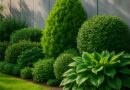
Boxwood remains the gold standard for formal evergreen structure in small gardens. Korean boxwood (Buxus sinica var. insularis) tolerates both heat and cold better than English types, making it more versatile across climate zones. These slow-growing shrubs can be maintained at any desired height, from 1-foot edging to 4-foot hedges.
I’m particularly fond of using boxwood to create garden “walls” that define spaces within small gardens. A row of boxwood balls or cones adds instant sophistication and provides a structured backdrop for seasonal flowers.
Dwarf Hydrangeas
The explosion of compact hydrangea varieties over the past decade has been a gift to small-space gardeners. ‘Bobo’ panicle hydrangea stays under 3 feet and produces massive flower heads that age from white to pink. ‘Little Lime’ offers the same color progression in an even more compact 3-5 foot package.
For shadier spots, consider ‘Tiny Tuff Stuff’ mountain hydrangea, which reblooms throughout summer and handles both heat and cold exceptionally well. These shrubs look spectacular in containers flanking doorways or defining patio corners.
Dwarf Conifers
The world of dwarf conifers is vast and fascinating. These aren’t just small evergreens—they’re architectural elements that provide year-round color and form. ‘Soft Serve’ false cypress creates perfect cone shapes that look like twisted ice cream. ‘Blue Star’ juniper forms silvery-blue mounds that contrast beautifully with darker foliage.
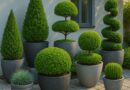
My favorite technique is using dwarf conifers as permanent container specimens. Unlike flowering shrubs that may look shabby between blooms, conifers maintain their appearance 365 days a year. They’re also incredibly forgiving of occasional neglect, making them perfect for busy urban dwellers.
Compact Roses
Modern shrub roses bred for disease resistance have revolutionized small-space gardening. The Knock Out series, Easy Elegance line, and Drift groundcover roses combine compact growth habits with continuous blooming and minimal maintenance. ‘Oso Easy Cherry Pie’ produces vibrant flowers on 18-inch plants that laugh at black spot and powdery mildew.
I’ve moved away from recommending hybrid teas for small gardens because they require too much fussing. These newer landscape roses deliver far more impact with a fraction of the effort.
Woody Vines for Vertical Gardening
When floor space is at a premium, look up. Woody vines deliver massive foliage and flower coverage without occupying precious ground area.
Climbing Hydrangea (Hydrangea anomala petiolaris): This shade-tolerant vine climbs via aerial rootlets, requiring no additional support once established. The white lacecap flowers appear in early summer, and the exfoliating bark provides winter interest. It’s slow to establish but incredibly long-lived once settled.
Clematis: With hundreds of varieties available, you can have clematis blooming from early spring through fall. I recommend ‘Jackmanii’ for beginners—it’s vigorous, disease-resistant, and produces masses of purple flowers. Group 3 clematis like this one get cut back hard each spring, making them foolproof.
Compact Wisteria: American wisteria ‘Amethyst Falls’ finally delivers what gardeners have always wanted—wisteria that blooms young, reblooms through summer, and doesn’t require a reinforced structure. At 15-20 feet, it’s perfectly sized for small pergolas and arbors.
Design Strategies for Small-Space Woody Plants
Successfully incorporating woody plants into limited spaces requires strategic thinking beyond just selecting compact varieties.
Layer Your Plantings: Use the “thriller, filler, spiller” concept vertically. A small tree or large shrub serves as your thriller, mid-sized shrubs fill the middle layer, and low groundcovers or trailing plants spill over edges. This creates the illusion of depth and abundance.
Embrace Container Culture: Modern container gardening has evolved far beyond geraniums in clay pots. Large containers (20+ gallons) can support substantial woody plants for years. I use lightweight resin containers that look like stone but won’t crack during freeze-thaw cycles. Remember that container plants need more frequent watering and feeding than in-ground specimens.
Practice Strategic Pruning: Many “full-size” woody plants can be maintained at reduced dimensions through proper pruning. I keep standard lilacs at 6 feet instead of their natural 12-foot height by removing one-third of the oldest canes annually. This rejuvenation pruning maintains vigor while controlling size.
Read more – Top 10 Climate Resilient Plants Every Gardener Should Try in 2026
Consider Espalier: This ancient technique of training trees and shrubs flat against walls or fences is perfect for narrow spaces. Apples, pears, and even camellias can be espaliered to occupy just 8-12 inches of depth while growing 6-8 feet tall and wide. It’s more work initially but creates a stunning living sculpture.
Soil and Site Considerations
Urban soils present unique challenges. Most city soils are compacted, contaminated, or nonexistent (especially in raised beds and containers). Here’s my formula for success:
Start with quality soil—this is not the place to cut corners. For containers, I use a 60-30-10 mix of professional potting mix, compost, and perlite. This provides drainage, nutrition, and moisture retention. For in-ground planting, amend your native soil heavily with compost and consider raised beds if drainage is poor.
Woody plants in containers need consistent moisture but perfect drainage. I drill additional holes in container bottoms and add a 2-inch gravel layer before soil. This prevents waterlogging while ensuring roots never sit in standing water.
Maintenance for Long-Term Success
Small-space woody plants need regular attention to maintain their compact form and health.
Watering: Container plants may need daily watering during hot weather. Install drip irrigation on a timer if you travel frequently or have multiple containers. In-ground plants need deep weekly watering rather than frequent shallow irrigation.
Feeding: Container woody plants are heavy feeders. I use slow-release organic fertilizer in early spring and mid-summer, supplemented with liquid fish emulsion monthly during the growing season.
Pruning: Most compact woody plants need annual pruning to maintain shape and encourage flowering. Spring-blooming shrubs get pruned immediately after flowering, while summer bloomers get cut back in late winter. Trees rarely need more than removing dead or crossing branches.
Read more – Chaos Gardening: Embrace Wild Beauty at Home
Winter Protection: Container plants are especially vulnerable to cold because their roots are exposed on all sides. In cold climates, I move containers against protected walls, wrap them with insulation, or sink pots into the ground for winter.
Common Mistakes to Avoid
After years of troubleshooting urban gardens, I’ve seen the same mistakes repeatedly:
Planting Too Large: That cute 2-foot shrub at the nursery might grow 8 feet tall. Always research mature size and believe it. “I’ll just keep it pruned” rarely works because constant restriction stresses plants and creates unnatural shapes.
Ignoring Microclimates: Urban spaces create wild microclimate variations. The south side of a brick building might be zone 7 while the shaded north side is zone 5. Observe your space through seasons before committing to plants.
Neglecting Root Space: A 6-foot tree needs substantially more than a 6-inch container. As a general rule, container diameter should be at least one-third the plant’s height, and depth should accommodate the root ball plus 4-6 inches of fresh soil.
Choosing Fashion Over Function: That trendy tropical specimen might look amazing in photos, but if it’s borderline hardy in your zone, you’re setting yourself up for disappointment. Stick with proven performers for your climate.
Creating Year-Round Interest
The secret to satisfying small gardens is ensuring something happens every month. Here’s my planting schedule:
Early Spring: Serviceberry blooms, pussy willows emerge Late Spring: Crabapples, lilacs, azaleas flower Summer: Crape myrtles, hydrangeas, roses bloom continuously Fall: Japanese maples, serviceberries provide fiery foliage Winter: Conifers, ornamental bark, persistent berries shine
By selecting woody plants that peak in different seasons, your small garden remains engaging throughout the year rather than looking spectacular for two weeks and boring the rest of the time.
Small urban gardens aren’t limitations—they’re opportunities to create highly curated, intensely beautiful spaces that rival sprawling suburban yards in impact. Woody plants provide the bones, structure, and permanence that transform temporary plantings into genuine gardens with soul and character.
Read more – Oceanic Gardens: Plant Types in the Ocean
The key is matching the right plants to your specific conditions, maintaining realistic expectations about mature sizes, and committing to the regular care that containerized and confined woody plants require. Start with one or two proven performers from this list, learn their habits and needs, then gradually expand your woody plant palette as your confidence grows.
Your urban garden doesn’t need to be big to be magnificent—it just needs to be thoughtfully planted with woody species that deliver maximum beauty in minimum space. Trust me, once you watch a compact Japanese maple cycle through its stunning seasonal changes or enjoy the months-long bloom of a dwarf crape myrtle, you’ll never look at small-space gardening the same way again.
Reference Links
- Royal Horticultural Society – Container Gardening
- USDA Plant Hardiness Zone Map
- The Morton Arboretum – Tree Selection Guide