If you’ve ever pulled up a carrot from a raised bed only to find it bent, forked, or stubbly you’ve hit the classic SFG root crop problem. Standard SFG beds are 6–8 inches deep. Carrots, parsnips, and other deep-rooting vegetables need 10–16 inches of loose, unobstructed soil to grow straight and full. Until the 4th Edition of All-New Square Foot Gardening, the only real solution was rebuilding your bed deeper from scratch.
The Top Hat technique solves this without dismantling anything. It’s one of the most practical additions in the new edition a simple, buildable add-on that gives root crops the depth they need while preserving your existing bed investment.
Here’s exactly what it is, how to build it, and which crops actually need it.
What Is a Top Hat Box in Square Foot Gardening?
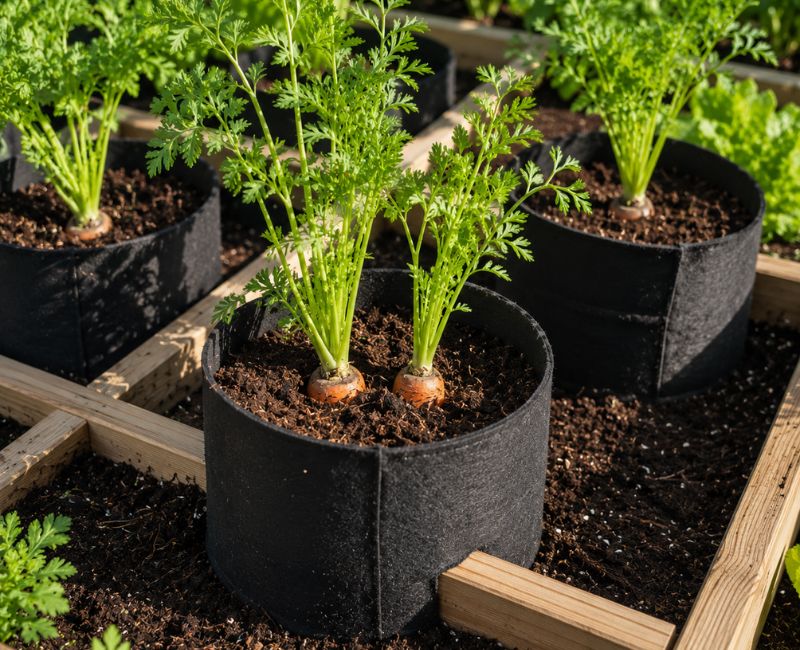
A Top Hat box is an additional raised frame placed directly on top of an existing SFG bed square (or group of squares) to extend soil depth. Think of it as a collar or extension it sits above the existing bed walls and is filled with the same Mel’s Mix (or peat-free alternative), effectively increasing total growing depth for the squares beneath it.
The name comes from its visual resemblance to a top hat sitting on a head the broad base of the existing bed with a narrower elevated extension rising above it.
Key characteristics:
- Typically 6–10 inches tall
- Matches the width and length of the squares it covers (e.g. a 1×1 ft or 2×1 ft Top Hat)
- Made from the same materials as the main bed (untreated wood, cedar, composite lumber)
- Filled with Mel’s Mix or your chosen raised bed soil
- Can be removed seasonally and repositioned as your planting plan changes
Why Do Root Crops Need More Depth?
Root vegetables grow downward, and the quality of that downward growth depends almost entirely on soil conditions:
- Obstructions cause forking. If a carrot root hits compacted soil, a rock, or the hard bottom of a shallow bed, it splits and forks around the obstacle.
- Shallow soil causes stunting. Without room to develop, parsnips and carrots produce short, thick roots technically edible but not what most growers are aiming for.
- Drainage at depth matters. Root crops in waterlogged lower soil rot. Mel’s Mix extended downward via a Top Hat maintains the same drainage and aeration throughout the full root zone.
Standard SFG beds at 6 inches work well for most vegetables. Root crops are the notable exception.
Which Root Crops Need a Top Hat Box?
| Crop | Minimum Depth | Top Hat Needed? | Notes |
|---|---|---|---|
| Radishes | 6 inches | No | Standard bed depth sufficient |
| Beets | 8 inches | Maybe | Borderline; deeper is better |
| Short/Chantenay carrots | 8–10 inches | Yes (shallow bed) | Specifically bred for shallower soil |
| Standard carrots | 12 inches | Yes | Will fork without full depth |
| Long/Imperator carrots | 16 inches | Yes | Require deepest Top Hat |
| Parsnips | 12–15 inches | Yes | Very deep taproot required |
| Turnips | 8–10 inches | Yes (standard bed) | Top Hat recommended |
| Daikon radish | 10–14 inches | Yes | Long root requires depth |
| Potatoes | 8–12 inches | Yes | Benefit from extra hilling depth |
Tip: If you want to grow root crops without a Top Hat, choose specifically short-rooted or globe varieties. Chantenay carrots and round beets (Boldor, Chioggia) are bred for shallow conditions and produce good results in standard 6-inch SFG beds.
How to Build a Top Hat Box: Step-by-Step
What You’ll Need
- Lumber: 1×6 or 1×8 untreated cedar, pine, or composite decking board
- Screws: 2-inch exterior deck screws (16 screws for a 1×1 ft box, more for larger)
- Saw: Hand saw or circular saw
- Drill
- Mel’s Mix or peat-free equivalent to fill the box
- Measuring tape
Cost estimate: $8–25 depending on lumber type and size
Step 1 — Measure Your Target Squares
Decide which squares in your SFG bed will grow root crops this season. A Top Hat can cover 1, 2, or even 4 squares depending on how much you’re growing. Measure the exact dimensions of the area.
Standard sizes:
- 1×1 ft (1 square)
- 2×1 ft (2 squares in a row)
- 2×2 ft (4 squares)
Step 2 — Cut Your Lumber
For a 1×1 ft Top Hat box at 8 inches tall:
- Cut 4 pieces of 1×8 lumber at 12 inches (for a snug fit over a 12-inch interior square)
- Adjust if your bed squares are slightly different dimensions measure twice
For a 2×2 ft box:
- Cut 2 pieces at 24 inches (long sides)
- Cut 2 pieces at 24 inches (short sides, or adjust for board thickness overlap)
Step 3 — Assemble the Box
Join the four sides into a rectangular or square frame using exterior screws. No base is needed the Top Hat sits open at both top and bottom, connecting seamlessly with the soil in the existing bed below.
Pre-drill pilot holes to prevent lumber splitting, especially for narrow boards.
Step 4 — Position Over Target Squares
Place the completed Top Hat frame over the relevant squares on top of your existing bed walls. It should rest securely on top of the bed frame — not inside it. If the bed walls are thick enough, the Top Hat can simply sit flush on top without fastening.
For a more permanent installation, attach with L-brackets to the existing bed sides.
Step 5 — Fill with Soil Mix
Fill the Top Hat box with Mel’s Mix or your peat-free equivalent. Mix with the existing soil below by stirring lightly with a hand trowel to create a continuous, unobstructed column of growing medium.
Water thoroughly before planting to settle the mix and check drainage.
Step 6 — Plant Your Root Crops
Follow standard SFG spacing within the Top Hat squares:
- Carrots: 16 per square
- Parsnips: 9 per square
- Beets: 9 per square
- Turnips: 9 per square
Sow seeds at the surface and thin to final spacing as seedlings emerge.
Top Hat vs Simply Building a Deeper Bed: Which Is Better?
| Factor | Top Hat Add-On | Rebuilding a Deeper Bed |
|---|---|---|
| Cost | Low ($8–25) | High ($50–200+) |
| Time to build | 30–60 minutes | Half day to full day |
| Disrupts existing crops | No | Yes |
| Repositionable | Yes seasonal flexibility | No permanent |
| Full bed depth increase | No only target squares | Yes entire bed |
| Best for | 1–4 squares of root crops | Dedicated root crop beds |
For most SFG gardeners, the Top Hat is the clear winner. You likely don’t need an entire 4×4 bed of carrots you need a few squares of them alongside your tomatoes and salads. The Top Hat gives you targeted depth exactly where it’s needed.
Creative Top Hat Applications Beyond Root Crops
The Top Hat principle extends beyond just root vegetables:
Dwarf fruit trees in pots: A Top Hat on a large container extends root depth for compact fruit varieties.
Extended herb beds: Taprooting herbs like dill and fennel benefit from extra depth.
Second-tier planting: Some growers use a Top Hat as a deliberate raised “second tier” for smaller plants like herbs, creating a layered visual effect in a decorative kitchen garden.
Bulb growing: Tulips, alliums, and other deep-planted bulbs benefit from the extra depth without disturbing the main bed.
Related: All-New Square Foot Gardening 4th Edition full technique overview | Mel’s Mix Alternatives for filling your Top Hat | Square Foot Garden Plans for Extreme Weather protecting your root crop squares through frost
Conclusion
The Top Hat box is a deceptively simple solution to one of the most common frustrations in Square Foot Gardening. Root crops have always been the awkward exception to the SFG rule requiring more depth than the standard bed allows. The Top Hat removes that limitation without the cost, disruption, or permanence of rebuilding.
If you grow carrots, parsnips, turnips, or beets and have been disappointed by forked or stubby results, a Top Hat box built in an afternoon will transform your root crop harvest.
Explore the full SFG system: Square Foot Gardening vs Row Gardening | DIY Trellises, Hoop Tunnels & Archways for SFG | SFG Plans for Extreme Weather.